These fonts have been created based on handwriting from these women’s most convention breaking documents. These include the original manuscript of Charlotte Bronte’s Jane Eyre, Emmeline Pankhurst’s letter to Prime Minister Lloyd George in 1916 and Zaha Hadid’s architectural drawings.
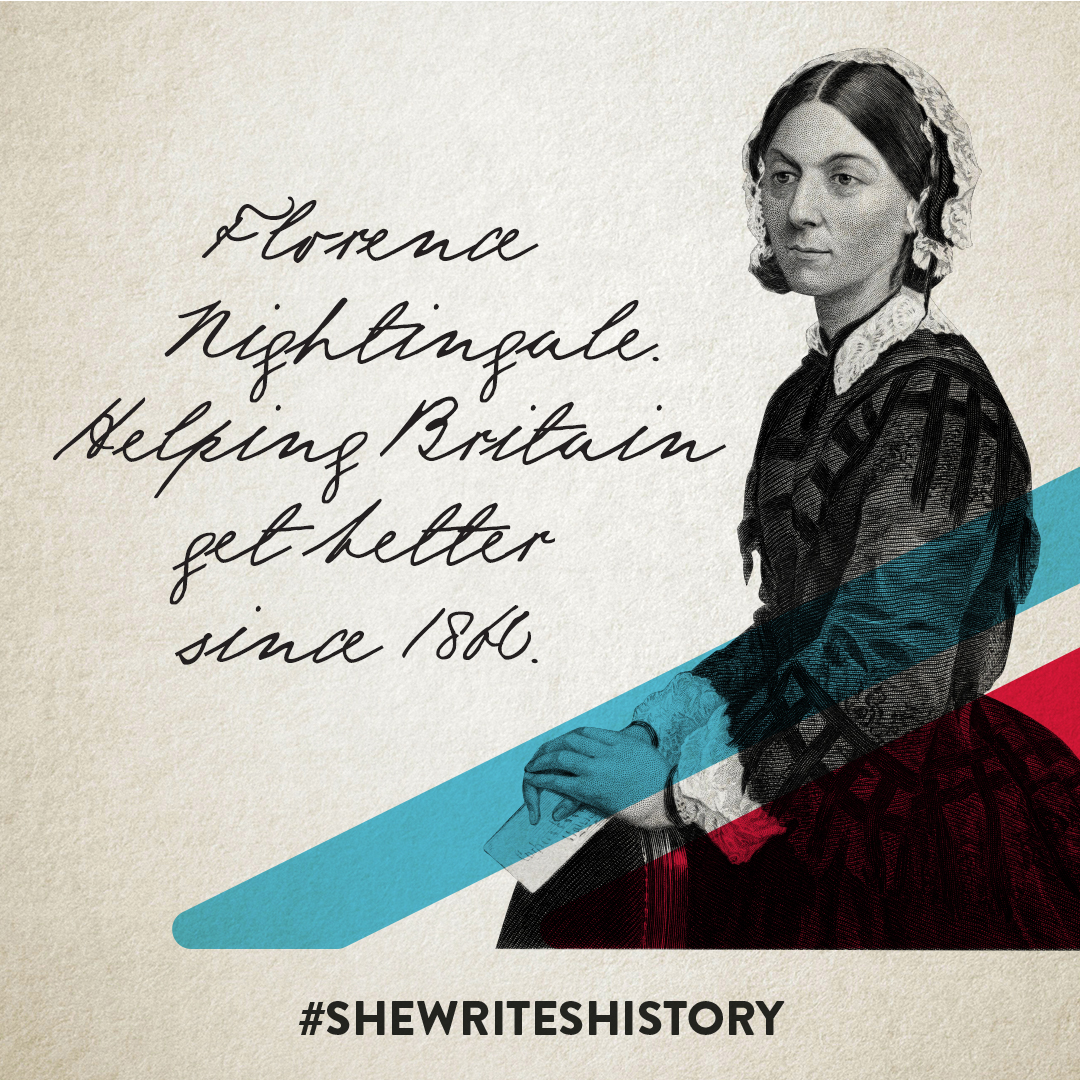
Write like Florence
You’ve seen the ‘Lady of the Lamp’ on £10 notes, but did you know that Florence Nightingale turned down marriage to focus on becoming a nurse? She then dedicated her life to caring for soldiers on the frontline and even established the first formal nursing school at St Thomas’ Hospital in London. For all her hard work and bravery, Florence was awarded the Red Cross by Queen Victoria.
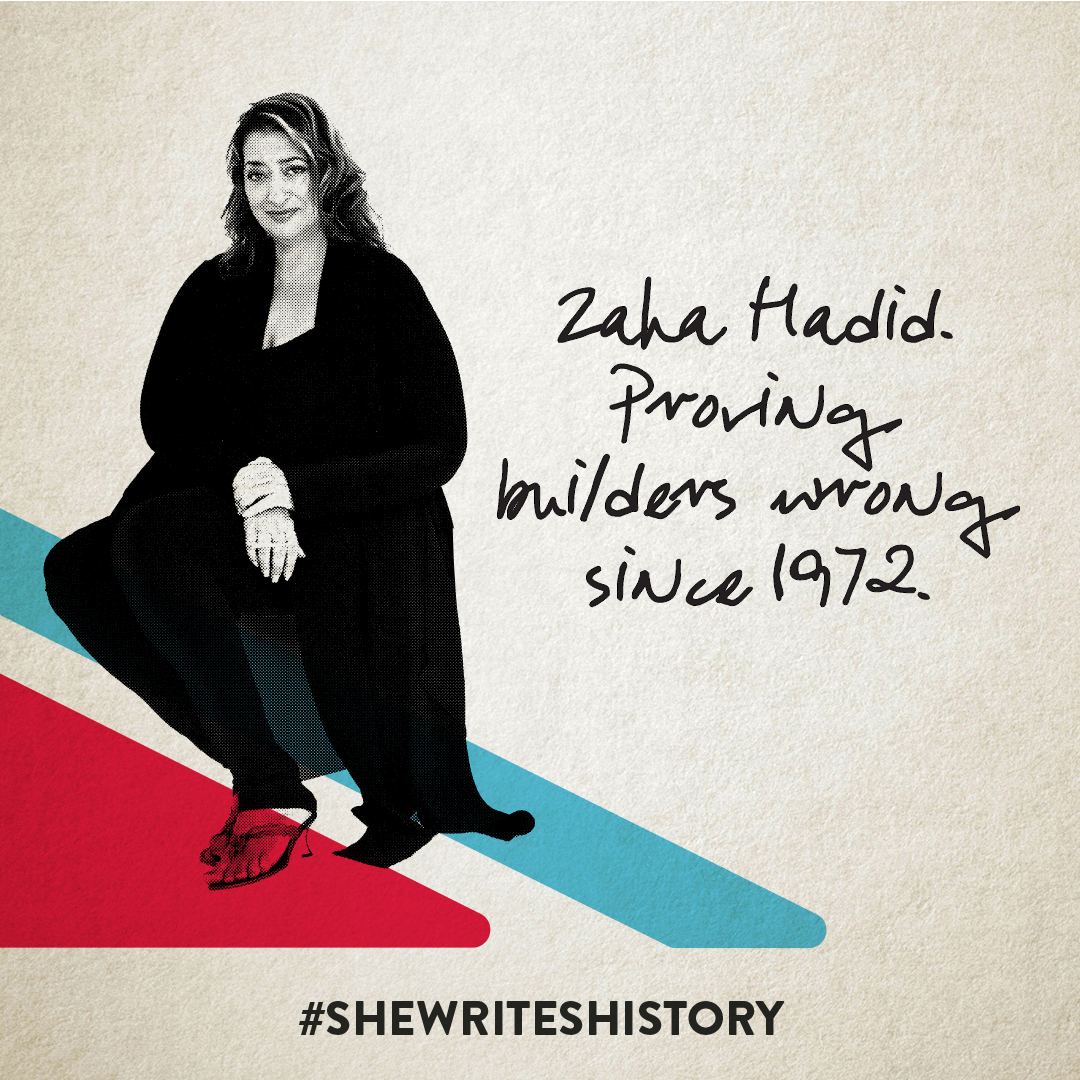
Write like Zaha
Iraqi-British architect Zaha Hadid’s early works were anything but conventional. In fact, her early designs were heavily criticised for their lack of right angles. Years later, Zaha was recognized as one of the best architects of her time with iconic designs such as the London Aquatic Centre for the 2012 Olympics. In 2004, she became the first woman to receive the Pritzker Architecture Prize - the equivalent of the Nobel Prize in architecture.
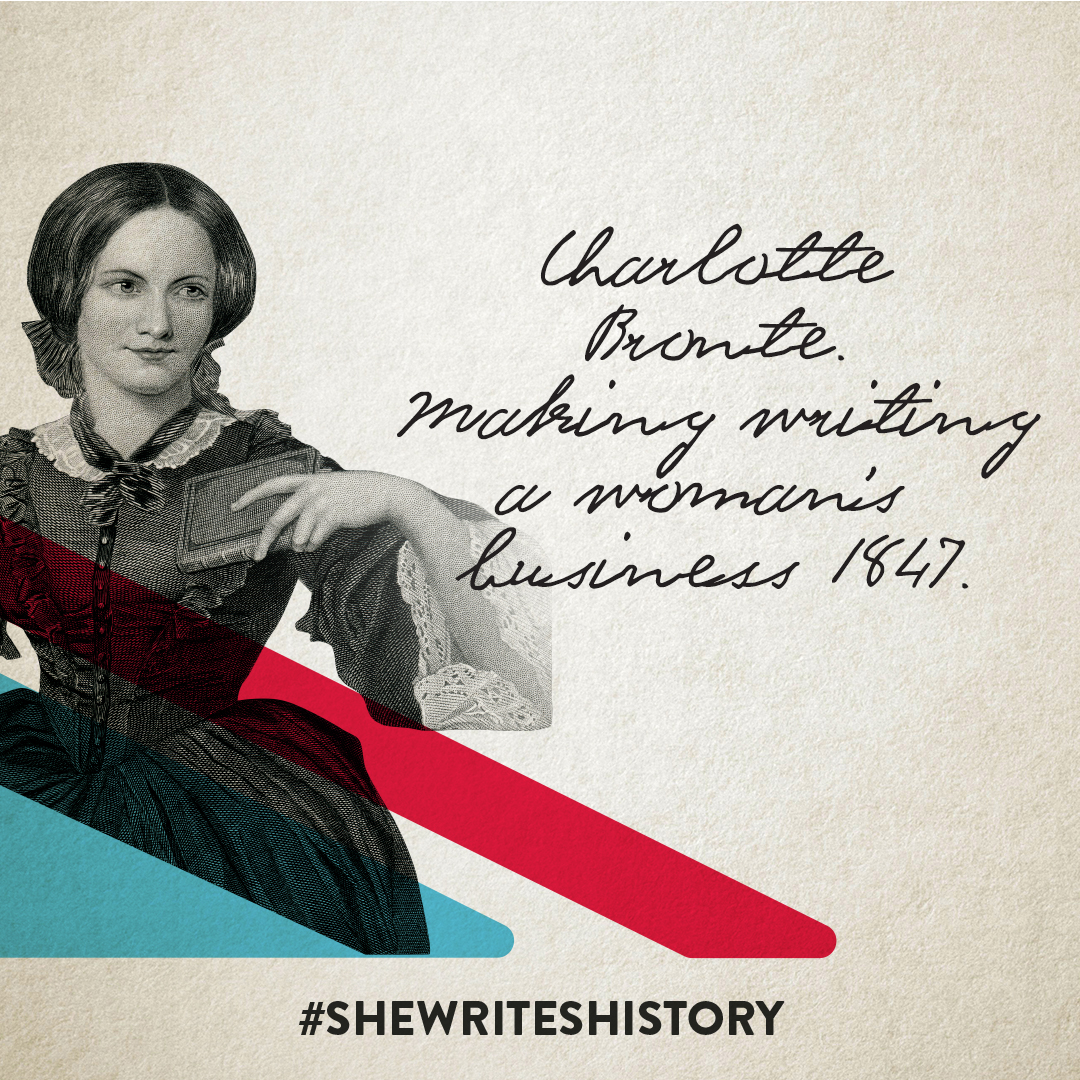
Write like Charlotte
When literature was deemed an ‘inappropriate career choice’ for women, Charlotte Brontë thought otherwise. Taking inspiration from her experiences as a governess where she was treated poorly, Charlotte wrote the novel Jane Eyre. Her famous heroine made people sit up and take notice with her fiery spirit and refusal to compromise. In 1848, two years after publishing her first novel, Charlotte revealed her real name after admitting to using male pseudonyms to get her work published.
Write like Mary
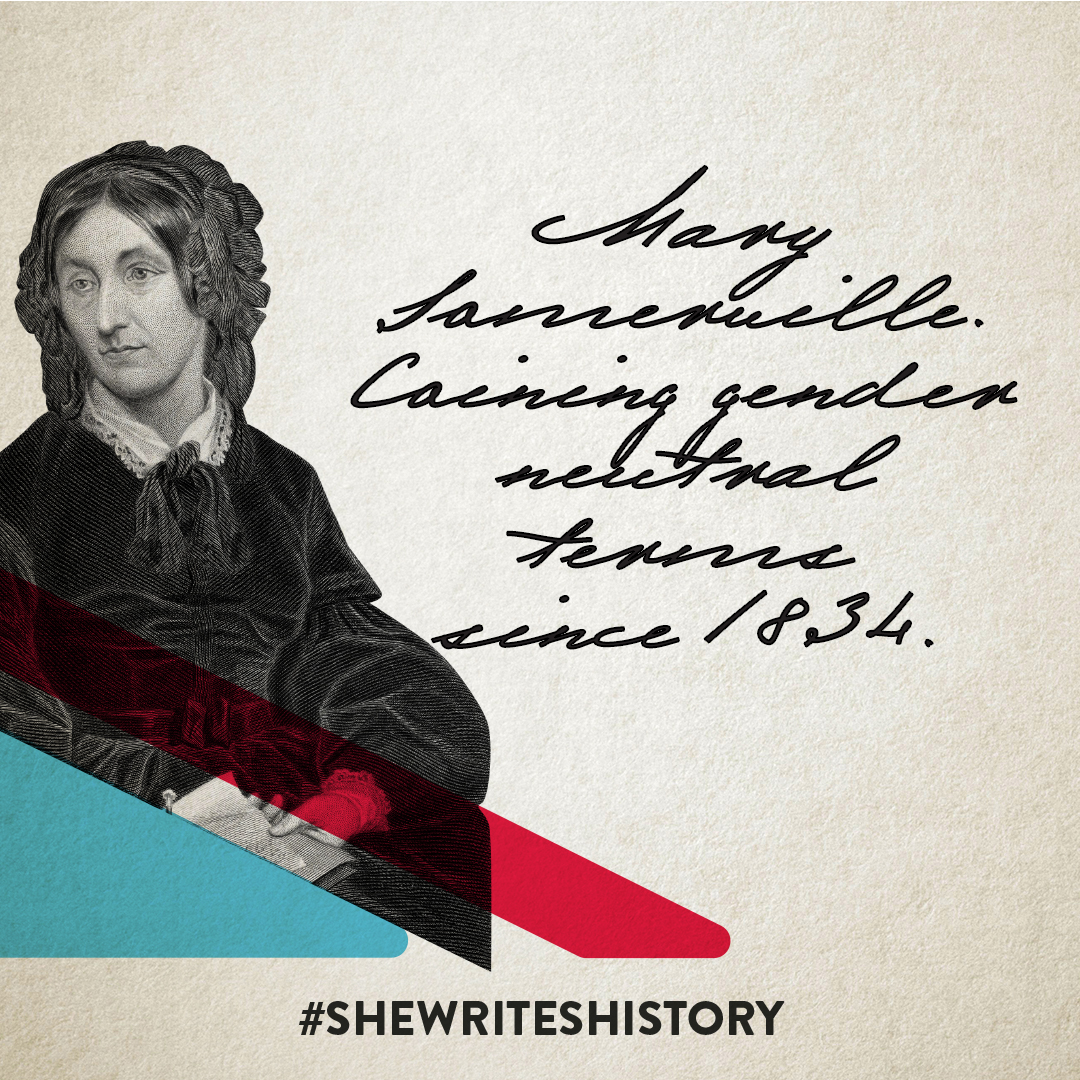
Thanks to Mary Somerville, the term ‘Men of Science’ was replaced with the gender-neutral term, ‘Scientist’. An outstanding mathematician and scientist of the Victorian period, Mary not only made her name in a heavily male dominated industry but also helped modern science reclaim its place in Victorian culture. Despite her talents, Mary was not a proficient reader as a child and encountered her first algebraic problem only by chance.
Write like Emmeline
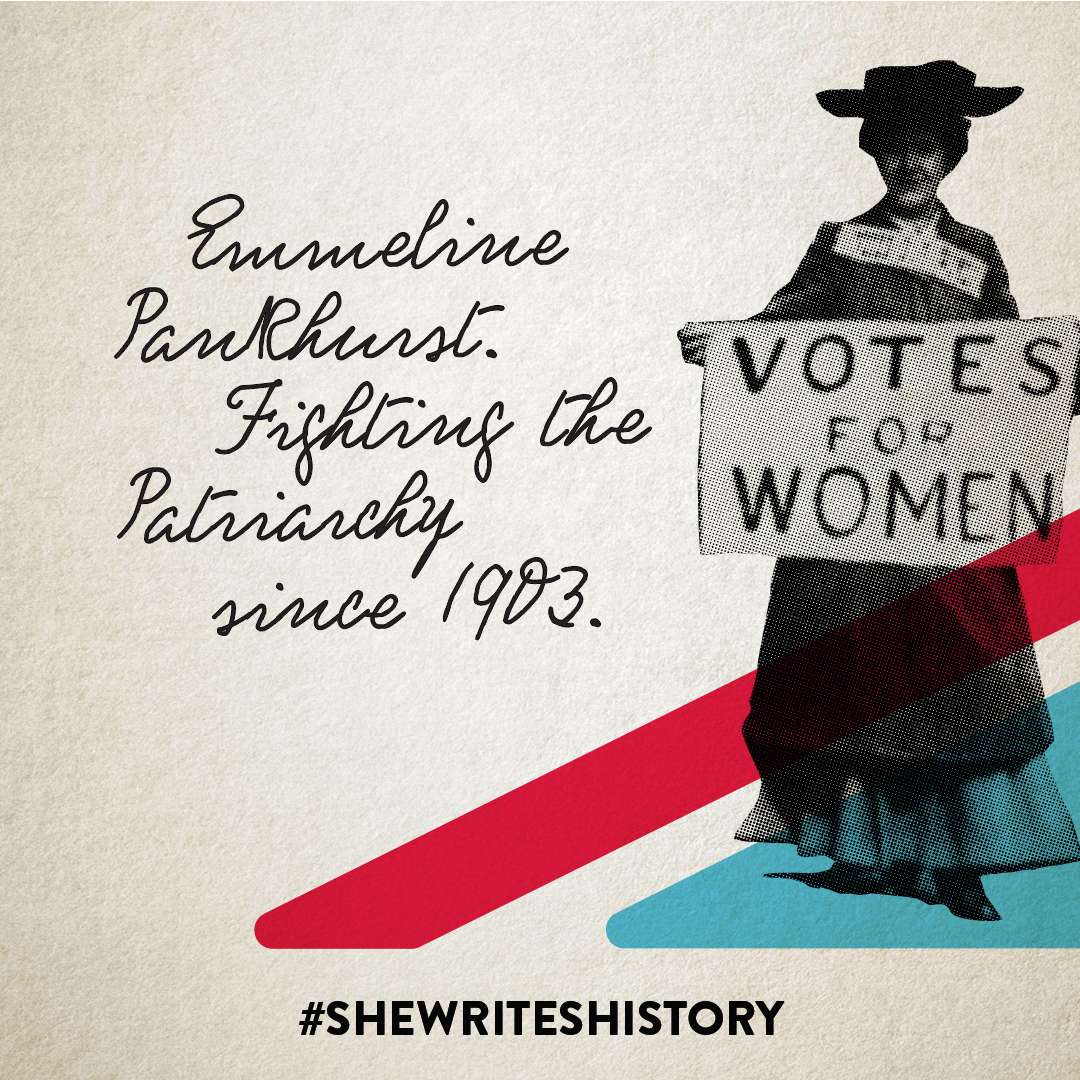
Last year a record number of women stood for Parliament – an accomplishment that wouldn’t have been possible had Emmeline Pankhurst not been born. One of the original pioneers for women’s rights in the UK, Emmeline founded the women’s suffrage movement which fought and helped women win the right to vote in 1918. In 1999, Time Magazine named Emmeline one of the 100 Most Important People of the 20th century. ‘Deeds not words’ was her motto and it still resonates today.
Write like Agatha
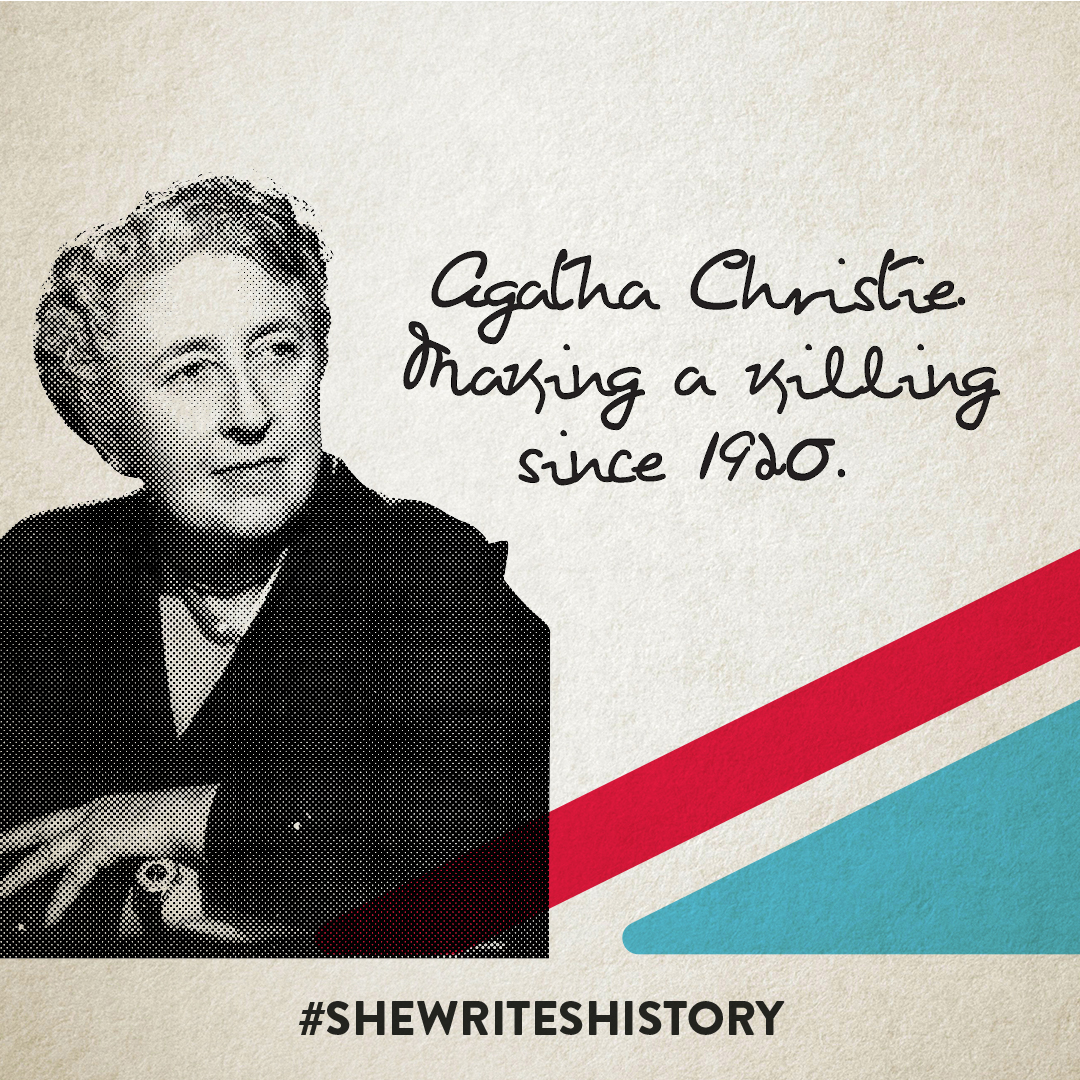
Murder on the Orient Express, Miss Marple, whodunnits - Who hasn’t heard of Agatha Christie? In a world where female protagonists were an anomaly, she gave the public gutsy females with brilliant minds. Christie’s women not only kept up with the boys but often outsmarted them. Today, she remains the world’s best-selling author and her play Mousetrap is still keeping audiences guessing after 68 years.
Write like Mary
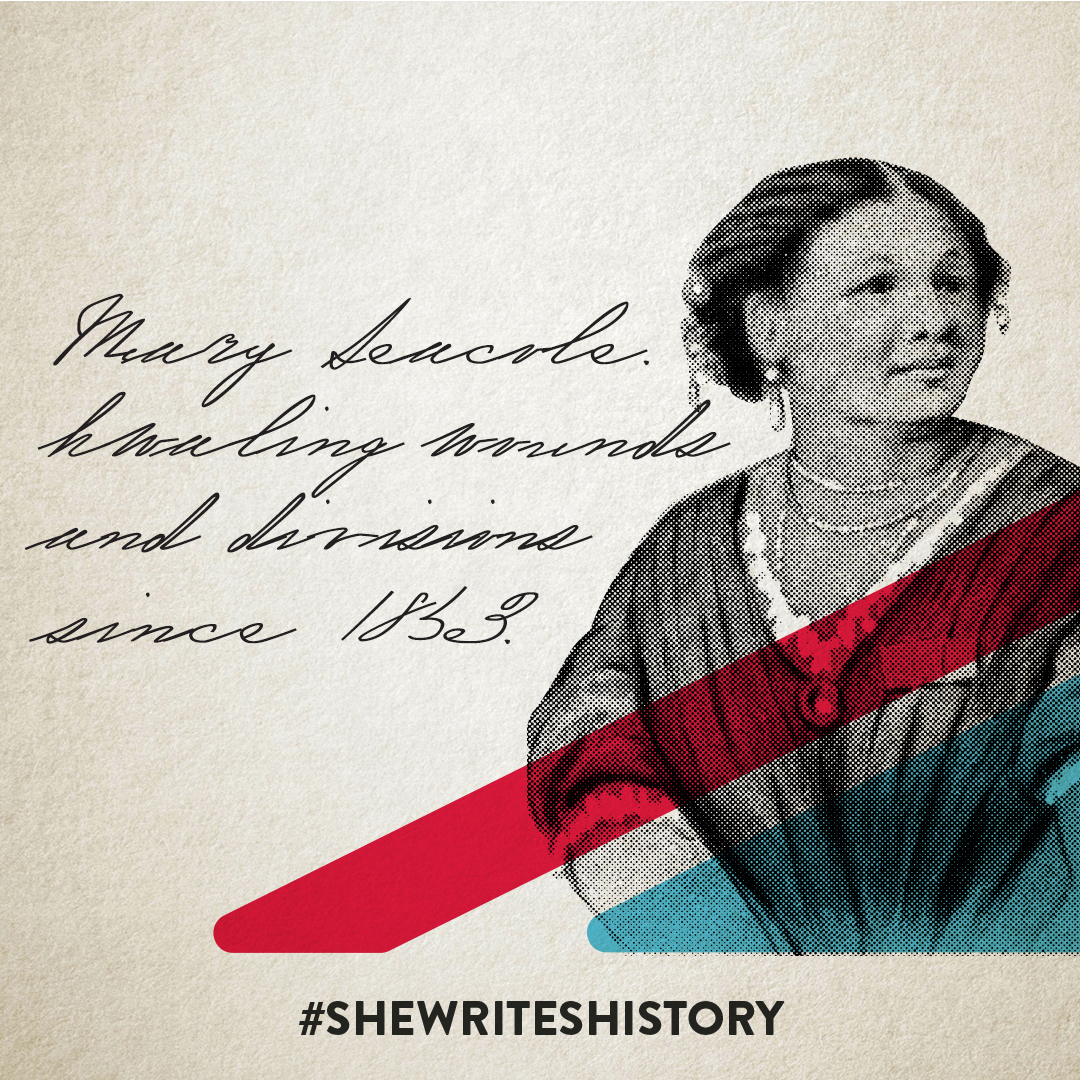
After saving thousands of lives, it’s no wonder Mary Seacole was often called ‘Mother Seacole’. In 1853, Mary applied to the War Office, but was turned down. This didn’t stop her setting up her own hotel to help wounded soldiers and venturing onto the battlefield under fire. As a British-Jamaican female nurse and war heroine, Mary successfully overcame a double prejudice - inspirational even by today’s standards.
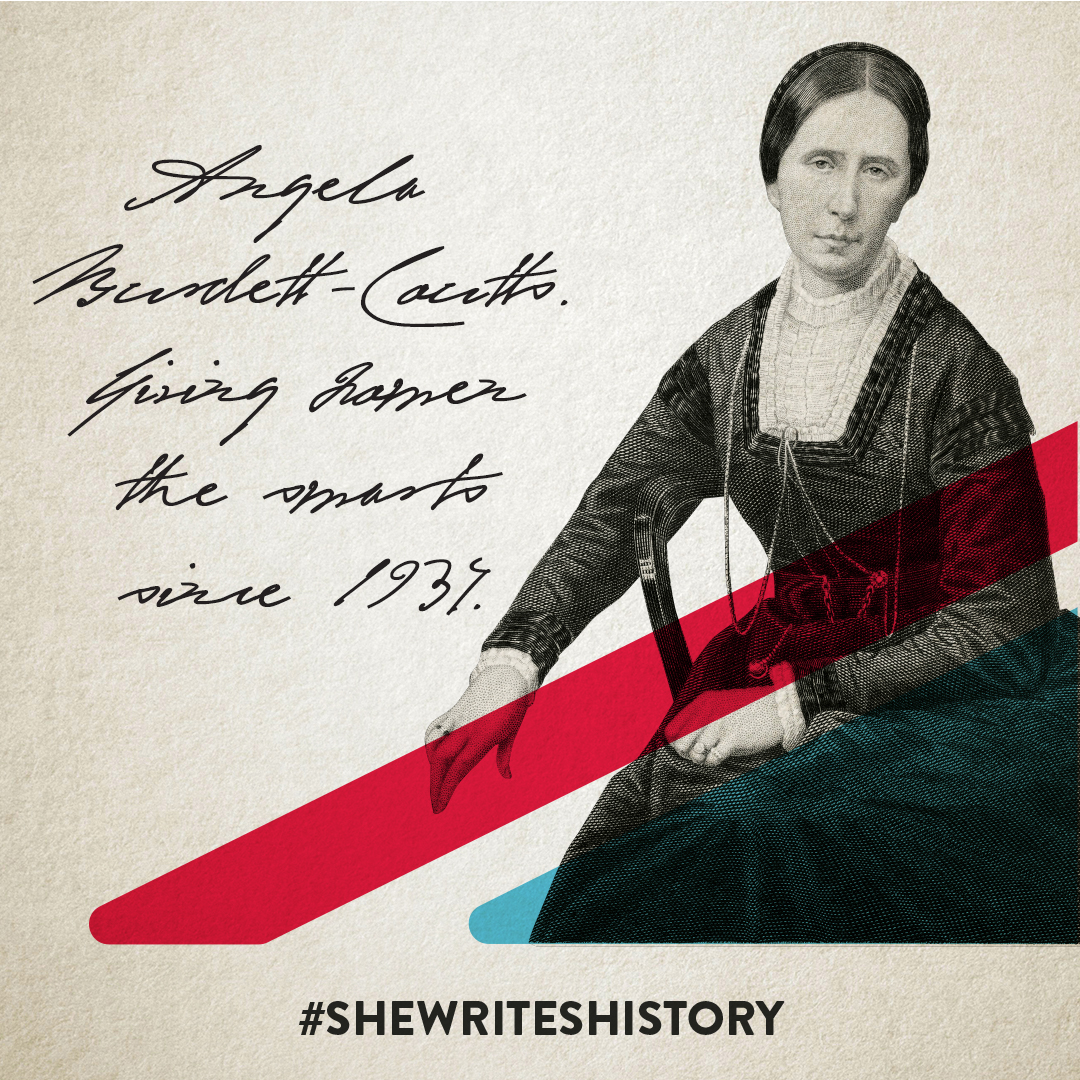
Write like Angela
Widely known as the ‘Queen of the Poor’, Angela Burdett-Coutts was the first woman to be made a Baroness for her work. And no wonder - she poured her inheritance into developing homes for the poor and supplying them with fresh water. Along with various other charitable causes, she even co-founded the NSPCC which has helped millions of children over the years.